
Mold Testing in Center Bridge, PA

Know What's Growing Before You Pay to Remove It

Independent mold testing gives you facts, not a sales pitch—so you can make the right call about your home.

Hear from Our Customers

Professional Mold Testing Near You

Stop Guessing. Start Knowing What You're Dealing With.

You’ve seen the stains. Maybe you’ve smelled something off in the basement or noticed your allergies acting up indoors. But you don’t know if it’s actually mold, what type it is, or how serious the problem really is.

That’s where professional mold testing changes everything. Instead of paying for remediation you might not need—or worse, ignoring a problem that’s quietly getting worse—you get real data from an EPA-certified lab. Air sampling and surface testing show exactly what’s in your home, where it’s coming from, and what needs to happen next.

Center Bridge homes deal with humidity, older construction, and moisture issues that create perfect conditions for mold. Testing gives you a clear starting point. No conflict of interest. No upselling. Just honest results that help you protect your family and make informed decisions about your property.

Mold Testing Company in Bucks County

We Test Mold. We Don't Remove It.

That matters because it means your results aren’t tied to a sales pitch. We serve Center Bridge and the surrounding Bucks County area with one focus: giving you accurate, unbiased mold testing so you know what’s actually happening in your home.

We don’t do the remediation work. That keeps our testing honest. You get a comprehensive report from an EPA-certified laboratory, and from there, you decide what happens next—whether that’s hiring someone to remove it, monitoring the situation, or addressing the moisture problem at its source.

Bucks County’s mix of historic homes and humid summers means mold is a common issue here. We’ve seen it in basements, behind drywall, in HVAC systems, and in places homeowners would never think to check. Our job is to find it, identify it, and give you the information you need to move forward with confidence.

How Residential Mold Testing Works

Here's What Happens When You Call Us

First, we schedule an inspection at your property. During that visit, we do a visual assessment of areas where mold typically grows—basements, bathrooms, attics, crawl spaces, and anywhere you’ve noticed water damage or musty odors.

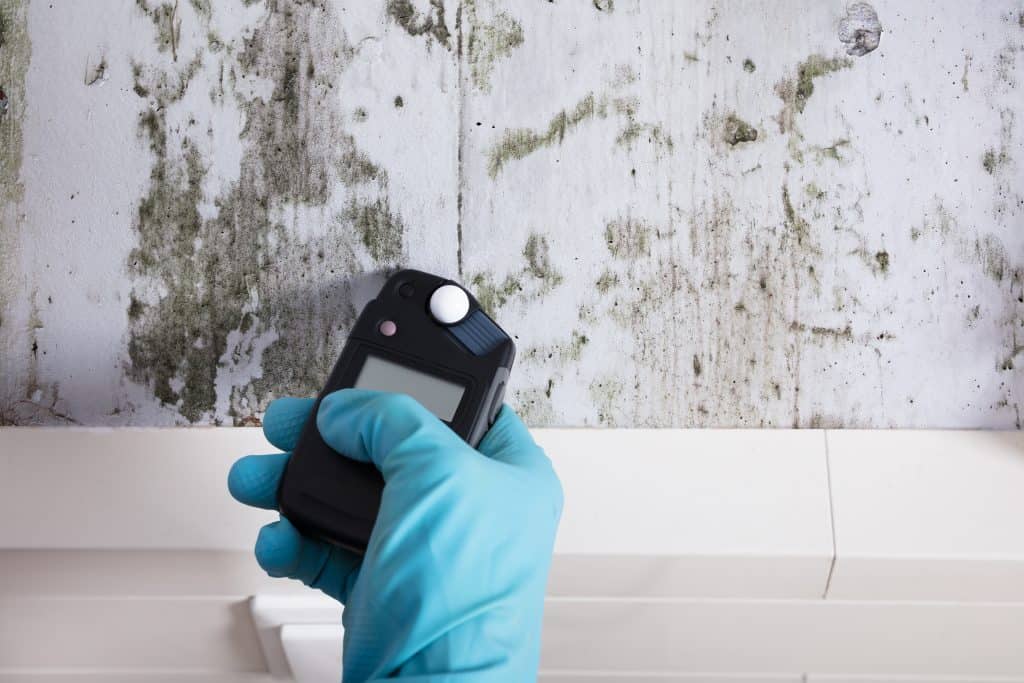
Then we collect samples. Air sampling captures airborne mold spores to measure what you’re breathing in. Surface testing checks visible growth or suspicious areas. If you’ve got hidden mold—say, behind walls or inside ductwork—we use methods to detect it without tearing your house apart.

Those samples go to an EPA-certified lab for analysis. You’re not waiting weeks. Results typically come back within a few days, and we walk you through what they mean in plain language. The report identifies the type of mold, the concentration levels, and whether you’re dealing with something that needs immediate attention or just routine moisture management.

From there, you’ve got options. If remediation is necessary, you’ll have documentation that shows exactly what needs to be addressed. If the levels are normal, you’ve got peace of mind. Either way, you’re making decisions based on facts, not fear.

Ready to get started?

Explore More Services

About Mack's Mold Removal

Black Mold Test and Air Quality

What's Included in a Mold Inspection

When we test your home, you’re getting more than a quick look around. The inspection covers visible mold growth, moisture sources, ventilation issues, and any conditions that could be feeding the problem. We check areas most people overlook—like the back of drywall near plumbing, under sinks, around windows, and inside HVAC systems.

Air sampling tells us what’s floating around that you can’t see. Surface samples confirm what’s growing on walls, floors, or other materials. If you’re worried about black mold—which is really Stachybotrys, a toxic variety that gets a lot of attention—we can specifically test for that.

Center Bridge sits in a region where 40% of homes were built before modern moisture barriers existed. That means older homes here are especially vulnerable to water intrusion, condensation, and the kind of slow leaks that create mold problems over time. Add in Pennsylvania’s humid summers and you’ve got a recipe for recurring issues if the root cause isn’t addressed.

The report you receive isn’t just lab numbers. It includes a breakdown of what we found, where we found it, and whether the levels are within normal range or elevated. If remediation is needed, the report serves as a roadmap. If you’re dealing with insurance or legal matters, it’s documentation from a licensed professional with no stake in the removal process.

How do I know if I actually need mold testing?

If you’ve had water damage, flooding, or ongoing moisture problems, testing is worth it. Same goes if you’re experiencing unexplained health symptoms like sneezing, coughing, congestion, or worsening asthma when you’re indoors.

Visible mold doesn’t always mean you need testing—you can see it’s there. But if you smell something musty and can’t find the source, or if you’re buying or selling a home and want documentation, professional testing gives you clarity. It’s also useful after remediation to confirm the mold is actually gone.

DIY test kits can’t tell you whether spore levels are normal or dangerous. They often give false negatives or detect mold that’s present in every home at safe levels. Professional testing uses calibrated equipment and lab analysis to measure what’s actually happening in your indoor air and on surfaces.

Air sampling captures mold spores that are floating around in your home’s air. This tells us what you’re breathing in and whether airborne mold levels are elevated compared to outdoor levels. It’s especially useful for detecting hidden mold that you can’t see—like growth inside walls or ductwork.

Surface testing involves taking samples from visible mold or suspicious spots using swabs or tape. This confirms whether what you’re seeing is actually mold, identifies the specific type, and helps us understand how established the growth is.

Most thorough inspections use both methods. Air sampling gives the big picture of your indoor air quality. Surface testing zooms in on problem areas. Together, they provide a complete assessment of what’s happening in your home and whether you’re dealing with a localized issue or something more widespread.

The on-site inspection usually takes one to two hours, depending on the size of your home and how many areas we’re testing. We’re not rushing through it—we’re checking everywhere mold typically grows and looking for moisture sources that could be feeding the problem.

After we collect samples, they go to an EPA-certified lab for analysis. Results typically come back within a few days. Once we have them, we’ll walk you through the report and explain what the findings mean in terms you can actually understand.

The report itself includes the type of mold identified, concentration levels, and whether those levels are within normal range or elevated enough to warrant action. If remediation is recommended, the report outlines what needs to be addressed. If levels are normal, you’ve got documentation and peace of mind.

Absolutely. Some of the worst mold problems are hidden behind walls, under flooring, in crawl spaces, or inside HVAC systems. You might not see any visible growth, but you’ll smell something musty or notice health symptoms that get worse indoors.

Mold starts growing within 24 to 48 hours of water exposure. If you’ve had a leak, flooding, or even just persistent condensation, mold can establish itself in porous materials like drywall, insulation, and wood framing before you ever see surface growth.

That’s why air sampling is so valuable. It detects airborne spores even when there’s no visible mold. If levels are elevated, we know there’s growth somewhere—even if it’s hidden. From there, we can use moisture meters and other tools to track down the source without unnecessarily tearing into walls.

Black mold—technically called Stachybotrys chartarum—can produce mycotoxins that cause health problems, especially for people with asthma, allergies, or weakened immune systems. Symptoms include respiratory issues, headaches, fatigue, and skin irritation. It’s not something to ignore.

That said, not all black-colored mold is Stachybotrys. There are other types of mold that appear dark but aren’t toxic. The only way to know for sure is through lab testing that identifies the specific species.

What matters most isn’t the color—it’s the concentration and your exposure. Any mold growing indoors in high levels can cause health issues and damage your property. Professional testing tells you exactly what you’re dealing with so you can respond appropriately instead of panicking or downplaying a real problem.

Because there’s a conflict of interest. If the same company testing your home also profits from remediation, they have a financial incentive to find problems—or overstate how serious they are.

Independent testing means the results aren’t tied to a sales pitch. You get unbiased data from an EPA-certified lab, and from there, you decide what happens next. Maybe you need full remediation. Maybe you just need to fix a leak and improve ventilation. Either way, you’re making that call based on facts.

Mold remediation is expensive. Having a professional report from a third party ensures you’re not paying for unnecessary work. It also gives you documentation if you’re dealing with insurance claims, real estate transactions, or disputes with landlords or contractors.

Other Services we provide in Center Bridge